What is Akhlaq?
Akhlaq (Arabic: أَخْلَاق) means noble character, ethics, and moral conduct — the visible fruit of true faith.
"I was sent only to perfect noble character." — Prophet Muhammad ﷺ (Al-Bayhaqi)

Sidq — Truthfulness
Honesty in all affairs — speech, business, and private life. Quran 9:119
Amanah — Trustworthiness
Keeping promises, honouring trust, fulfilling responsibilities. Quran 4:58
Rahma — Compassion
Mercy toward all creation — humans, animals, the environment. Cruelty is condemned in Islam.
Sabr — Patience
Mentioned 90+ times in the Quran. Steadfastness in hardship, patience in worship. Quran 2:153
Iffah — Self-Restraint
Guarding oneself from harmful desires — in food, speech, wealth, and relationships.
Tawadu — Humility
Arrogance is condemned. The Prophet ﷺ mended his own sandals — a living model of humility. Quran 17:37
Why Akhlaq is the Heart of Islam
When asked the deed most likely to enter people into Paradise, the Prophet ﷺ replied: "Taqwa and good character." Salah and fasting are hollow if they don't improve our dealings with others. Akhlaq is the visible fruit of faith.
The Islamic Daily Routine
Islam structures a Muslim's entire day around acts of worship — creating a rhythm of purpose, gratitude, and remembrance from Tahajjud before dawn to du'a before sleep.

Tahajjud — voluntary night prayer. Allah descends (in a manner befitting His Majesty) in the final third of the night and responds to du'a.
The day starts with Salah and Morning Adhkar. The time between Fajr and sunrise is blessed for Quran recitation and reflection.
Pause work for prayer. On Fridays, men attend Jumu'ah. A short rest (Qaylula) after Dhuhr is Sunnah of the Prophet ﷺ.
The "middle prayer" emphasised in Quran 2:238. The Prophet ﷺ warned severely against missing it.
Pray at sunset. Break fast (Iftar) in Ramadan. Gather family for the evening meal. Recite Evening Adhkar for protection.
Final prayer. Spend the evening with family or beneficial learning. Sleep with Wudu on your right side, after reciting Ayatul Kursi.

Even sleep is worship
Sleeping early so you can rise for Fajr and Tahajjud transforms rest into an act of obedience. The Prophet ﷺ disliked sleeping before Isha and unnecessary talk after it. Every moment of a Muslim's day, when lived intentionally, is worship.
Halal Living — Pure & Permissible
Halal (permitted) and Haram (forbidden) boundaries cover food, wealth, speech, and entertainment — not to restrict life, but to protect it.
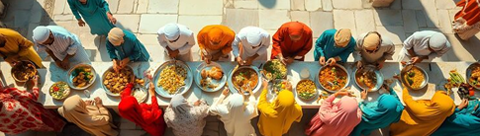
Halal: meat slaughtered in Allah's name, fish, fruits, vegetables, dairy
Haram: pork, alcohol, blood, carrion, meat slaughtered for idols
Halal: honest trade, lawful salary, Islamic finance, gifts
Haram: Riba (interest), fraud, gambling, bribery, forbidden industries
Good: kind words, honest counsel, Dhikr, beneficial knowledge
Forbidden: backbiting (Ghibah), slander, mockery, lying, breaking oaths

يَا أَيُّهَا الَّذِينَ آمَنُوا لَا تَأْكُلُوا أَمْوَالَكُم بَيْنَكُم بِالْبَاطِلِ
"O you who believe! Do not consume each other's wealth unjustly." — Quran 4:29
Modesty — The Branch of Faith
The Prophet ﷺ said: "Hayaa is a branch of faith." Modesty covers dress, gaze, speech, and digital behaviour — protecting both the individual and society.
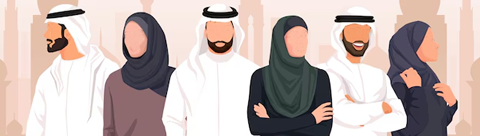
The Concept of Awrah — What to Cover
For Men
- Cover navel to knee in public
- Loose, non-transparent clothing
- Avoid silk garments (Sunnah rule)
- Trim moustache, keep beard
For Women
- Cover all except face & hands (majority)
- Hijab in front of non-Mahram men
- Non-tight, non-transparent clothing
- No dress attracting unnecessary attention
Modesty Beyond Dress
Lowering the Gaze
Both men and women commanded to avoid staring at the opposite sex (Quran 24:30–31). Protects mental purity and the heart.
Modesty in Speech
Obscene language, flirtatious talk, and vulgar jokes are forbidden. Kind, respectful speech is itself an act of worship.
Digital Modesty
Posting immodest content, consuming pornography, or inappropriate messaging is forbidden. Your online presence reflects your deen.
Entertainment Choices
Music inciting desire, immodest films, and sinful gatherings are discouraged. Nasheeds, sports, family time — all permissible.
وَقُل لِّلْمُؤْمِنَاتِ يَغْضُضْنَ مِنْ أَبْصَارِهِنَّ وَيَحْفَظْنَ فُرُوجَهُنَّ
"Tell the believing women to lower their gaze and guard their modesty." — Quran 24:31
Gender Interaction in Islam
Islam does not prohibit all interaction between men and women — it regulates it with wisdom to protect individuals, families, and society. Understanding why matters.

Protection of Honour
Boundaries shield both men and women from exploitation and harm before it begins.
Preserving Family
Keeps emotional and physical intimacy exclusive to the marriage relationship.
Psychological Safety
Creates environments of respect and focus — especially beneficial for women.
Permitted Interaction
- Professional & educational settings — working and studying together is permitted with modesty and professionalism.
- Mixed family gatherings — relatives and in-laws interact naturally; restrictions apply to non-Mahram strangers.
- Necessary communication — business, medical, teaching, customer service — all permitted respectfully.
- Community & Da'wah — Islamic events and community service within appropriate boundaries.
What is Restricted
- Khalwa (seclusion) — being alone in a private space with a non-Mahram. "No man should be alone with a woman." (Hadith)
- Free-mixing (Ikhtilat) — unrestricted socialising involving flirtation, physical closeness, or immodest behaviour.
- Physical contact — unnecessary touching (handshakes, hugging) with non-Mahram generally discouraged.
- Flirtatious speech — soft or seductive speech toward non-Mahrams (Quran 33:32).
Addressing Common Misconceptions
"Islam oppresses women by forcing them to cover up and stay separate."
The Hijab and gender boundaries are chosen by practising Muslim women as faith and self-respect — not oppression. Islam gave women property, divorce, and inheritance rights 1400 years before Western law.
"Muslims can't work with or talk to the opposite sex at all."
Working, studying, and communicating professionally is fully permitted. Restrictions target private seclusion and flirtatious behaviour — not normal daily interaction.
"These are just outdated rules that no longer apply in modern times."
Modern societies with fewest social boundaries have the highest rates of sexual harassment, broken families, and loneliness. Islamic gender guidelines are arguably more relevant today.
"Men and women are treated unequally in Islam."
Islam assigns complementary roles — not inferior/superior rankings. Before Allah, both are equal: "The most honoured of you is the most righteous." (Quran 49:13)
Adab — Islamic Manners
Adab (أَدَب) — etiquette and refined conduct — governs every social interaction in Islam, from greetings to visiting the sick.
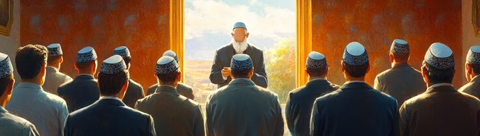
The Islamic Greeting
Begin with "As-Salamu Alaykum" — a prayer of peace. The Prophet ﷺ said spreading Salam is among the best deeds.
Reply: Wa Alaykum As-SalamEating Etiquette
Say Bismillah before eating. Use the right hand. Eat from what is in front of you. No waste. Say Alhamdulillah after eating.
Visiting Others
Knock up to three times. If no reply, leave. Remove shoes. Bring a gift — "Exchange gifts and you will love one another."
Visiting the Sick
A right of every Muslim upon another. Offer du'a and comfort. Say: "La ba'sa, tahurun insha'Allah."
Rights of Neighbours
Jibreel (AS) emphasised neighbours' rights so often that the Prophet ﷺ thought they would be made heirs. Share food, help in need, never spy.
Respecting the Elderly
The Prophet ﷺ rose from his seat for elders. Disrespecting parents is among the gravest sins in Islam.
Family & Relationships in Islam
The family is the cornerstone of an Islamic society. Islam provides a complete framework for marriage, parenting, and kinship that produces stable, loving homes.

Marriage (Nikah) — The Sacred Bond
"Marriage is half of religion." Nikah is the only legitimate channel for romantic fulfilment — a solemn contract between a man, a woman, and Allah.
"He placed between you love and mercy." — Quran 30:21
Parenting — Raising Believers
Children are "a trust from Allah." Parents must provide food, shelter, education, and Islamic upbringing. Teaching prayer, Quran, and good character is an obligation.
Silat al-Rahim — Kinship Ties
Keeping ties with relatives is obligatory. Cutting family ties without reason is a major sin. Visit parents, call relatives, support them in hardship.
"Whoever wishes increased provision, let him maintain family ties." — Hadith (Bukhari & Muslim)
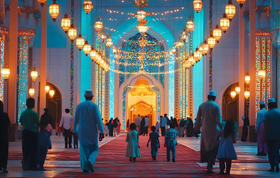
The Mosque — Heart of the Community
The masjid is not just a place of prayer — it is the centre of the Muslim community where families come together, knowledge is shared, disputes are resolved, and brotherhood is strengthened. The Prophet ﷺ built the masjid as his very first act upon arriving in Madinah.